The Best Parrot Species for Long-Term Coexistence with Humans
Share
![]() The Best Parrot Species for Long-Term Coexistence with Humans
The Best Parrot Species for Long-Term Coexistence with Humans
 Parrots are intelligent, social birds—but not all species thrive in a human home long-term. The key to a happy, lasting bond lies in choosing a parrot whose size, personality, and care needs match your lifestyle. Below are the top parrot species that excel at living with humans, plus what makes each a great companion (and what to know before bringing one home).
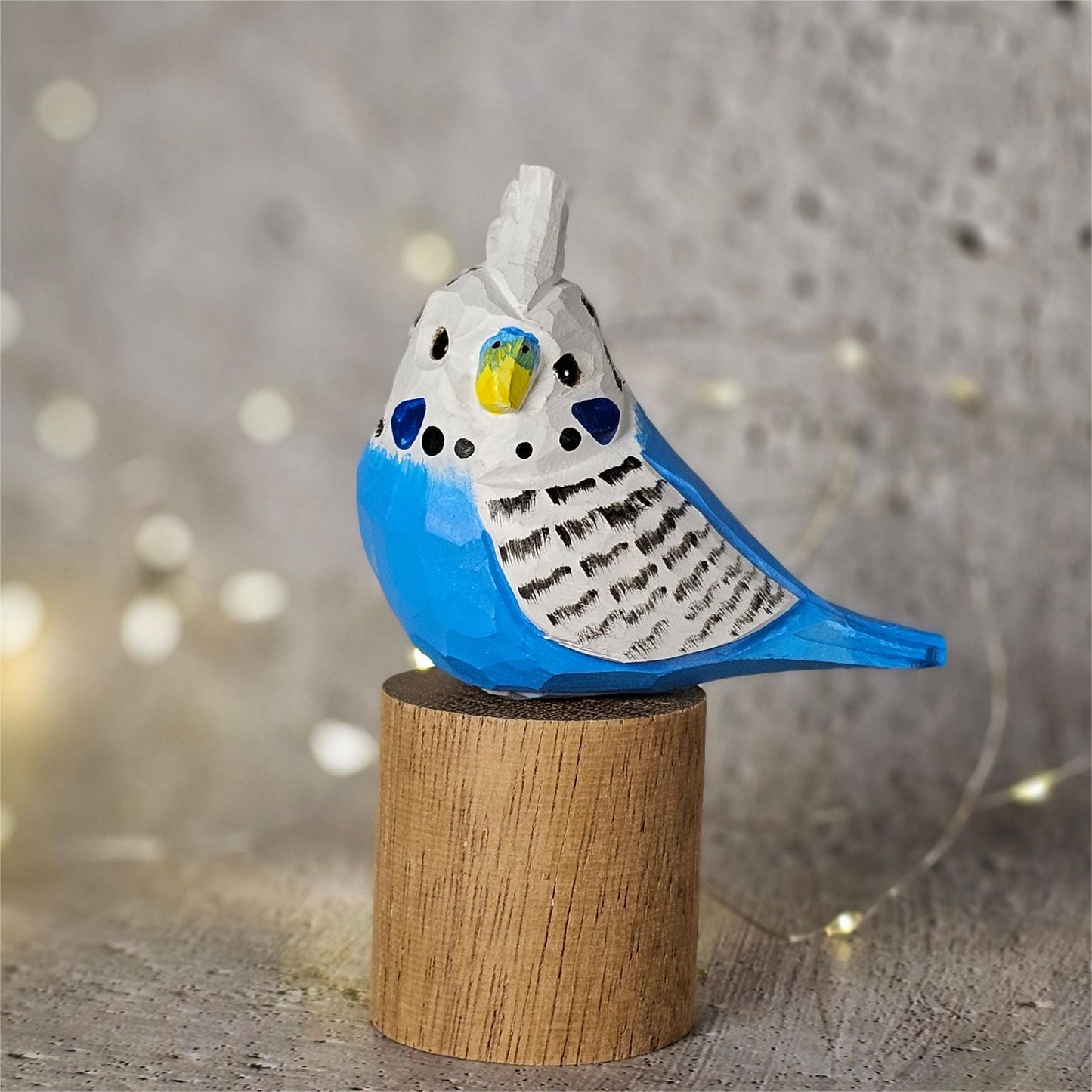
1. Budgerigar (Budgie) – The “Beginner-Friendly” Small Parrot
Size: 7–8 inches (tiny, fits in small cages)
Lifespan: 5–10 years (some live up to 15 with good care)
Why They’re Great for Long-Term Living:
Budgies are the most popular pet parrots for a reason—they’re gentle, adaptable, and form strong bonds with their humans. They’re quiet (compared to larger parrots), easy to feed (seed mixes, veggies, and occasional fruit), and love interacting: they’ll chirp at you, play with toys, and even learn simple words or phrases (though their voices are high-pitched).
What to Note:
- They’re social—keep one pair if you’re away often (a single budgie needs daily human attention to avoid loneliness).
- They need mental stimulation: rotate toys (bells, mirrors, chew sticks) to keep them from getting bored.
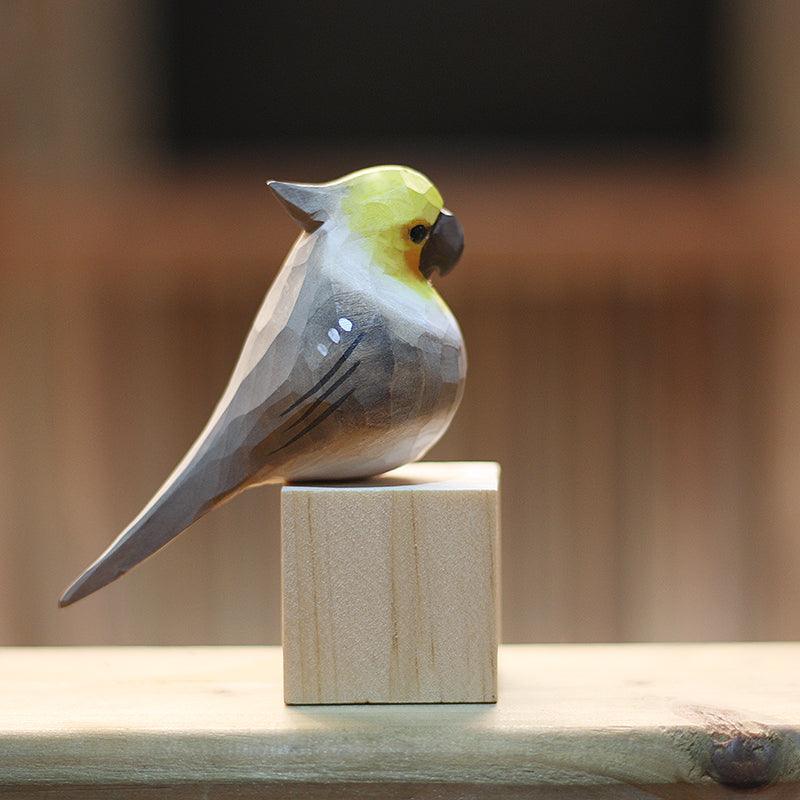
2. Cockatiel – The “Calm, Affectionate” Medium-Small Parrot
Size: 12–14 inches (slightly bigger than budgies, with a distinctive crest)
Lifespan: 15–20 years (a long-term commitment, but shorter than large parrots)
Why They’re Great for Long-Term Living:
Cockatiels are the “lap parrots” of the small species—they love being held, cuddled, and scratched (especially under their crest!). They’re quieter than cockatoos or macaws (their calls are soft whistles, not loud squawks) and adapt well to busy households (even with kids or other pets, if socialized young). They also bond deeply with one human—they’ll follow you around the house and greet you when you get home.
What to Note:
- Males are more vocal and likely to whistle; females are quieter (great if you live in an apartment).
- They need daily out-of-cage time (30+ minutes) to stretch their wings and explore.
3. African Grey Parrot – The “Genius” Medium-Large Parrot (For Experienced Owners)
Size: 12–14 inches (slim build, gray feathers with a red tail)
Lifespan: 40–60 years (a lifelong commitment—they may outlive you!)
Why They’re Great for Long-Term Living:
African Greys are one of the most intelligent birds on Earth—they can learn hundreds of words, understand context (e.g., saying “goodnight” when it’s dark), and even solve simple puzzles. They form intense, loyal bonds with their humans and thrive in stable, predictable homes. For someone willing to invest time in their care, they’re incredibly rewarding companions.
What to Note:
- They need constant mental stimulation: daily training sessions, puzzle toys, and social interaction (boredom leads to feather-plucking or aggression).
- They’re sensitive to stress—loud noises, frequent moves, or neglect can cause behavioral issues. Only get one if you have 1–2 hours daily to dedicate to them.
4. Goffin’s Cockatoo – The “Playful, Low-Maintenance” Small Cockatoo
Size: 12–13 inches (smallest cockatoo species, white feathers with a pinkish crest)
Lifespan: 25–40 years (long-term, but more manageable than larger cockatoos)
Why They’re Great for Long-Term Living:
Unlike bigger cockatoos (e.g., Moluccan cockatoos) that are prone to excessive screaming or clinginess, Goffin’s Cockatoos are playful, curious, and less demanding. They love interacting with humans—they’ll play fetch, dance to music, and cuddle—but don’t require constant attention. They also adapt well to apartments (their calls are softer than other cockatoos) and get along with gentle kids if socialized early.
What to Note:
- They’re chewers—provide safe wooden toys to satisfy their need to gnaw (otherwise, they’ll chew furniture!).
- They need a roomy cage (at least 24x24x36 inches) to move around.
5. Quaker Parrot (Monk Parakeet) – The “Chatty, Hardy” Medium Parrot
Size: 11–12 inches (green feathers, gray “mask” around the eyes)
Lifespan: 20–30 years (a solid long-term companion)
Why They’re Great for Long-Term Living:
Quaker Parrots are energetic, social, and love being part of family life. They’re excellent talkers (they pick up words quickly and have clear voices) and enjoy interacting with everyone—they’ll chirp at your kids, greet your guests, and even “chat” with other pets. They’re also hardy (less prone to illness than some parrots) and easy to feed (seed mixes, veggies, and occasional nuts).
What to Note:
- They’re territorial—provide a large cage (24x24x30 inches) with their own space to avoid aggression.
- In some U.S. states, they’re illegal (they’re considered invasive in the wild)—check local laws before getting one.
Key Tips for Long-Term Parrot-Human Harmony
No matter which species you choose, these rules will help your bond last:
- Socialize early: Expose your parrot to new people, sounds, and environments when they’re young (3–6 months old) to keep them friendly and adaptable.
- Meet their physical needs: Provide a cage big enough for them to spread their wings, fresh food/water daily, and regular vet checkups.
- Prioritize mental health: Parrots get bored easily—spend time playing, training, or talking to them every day.
Parrots aren’t just pets—they’re family members that stay with you for decades. By choosing a species that fits your lifestyle, you’ll create a happy, lasting relationship. Have you ever shared your home with a parrot? Tell us about your experience in the comments!